How to Run a Smart Trademark Search Before Filing - Using an Experienced Trademark Attorney to Avoid Delays

How to Run a Smart Trademark Search Before Filing

Before you invest in a new brand name or logo, you need to know if someone else already owns it. That’s where a trademark search comes in. It’s not just a quick Google check. A proper search digs into the federal register, state databases, and the wider market to see what’s in use. Doing it right can save you years of headaches and costly disputes.

Why a Trademark Search Matters

  • Avoid refusal: The USPTO will deny your application if your mark conflicts with an existing registration.
  • Prevent disputes: Overlapping with another brand can lead to cease‑and‑desist letters or lawsuits.
  • Save money: A small investment in searching beats the cost of rebranding or litigation later.

Steps to Take

  1. Search USPTO records: Use the TESS database to see live and dead trademarks that are close to your mark.
  2. Check state databases: Some marks are registered only at the state level but still block your use locally.
  3. Scan the internet: Common‑law rights exist even without registration. Look for unregistered but active brands.
  4. Assess similarity: It’s not about exact matches. Similar sound, look, or meaning can create conflicts.
  5. Consult a professional: Attorneys use commercial search tools that cover more ground than the free options.

Key Pitfalls

  • Assuming a different spelling makes it safe (e.g., “Kool Kars” vs. “Cool Cars”).
  • Ignoring logos—design marks can conflict even if words differ.
  • Forgetting about industry overlap. Two businesses in related fields can clash even if not identical.

Quick Q&A

  • Is a Google search enough before filing?

    No. Google helps, but the USPTO and state databases must be searched for registered and pending marks.

  • What if I only plan to use my brand locally?

    Even local businesses face federal enforcement. A federal search is still smart to avoid conflicts.

  • Can I skip searching and just file?

    You can, but it’s risky. If your application is refused, you lose your filing fee and time.

  • Do I need a lawyer for a search?

    Not legally, but attorneys have access to advanced tools and experience spotting conflicts you might miss. You’re not looking just for the same name. You’re looking for similar names to avoid complications with registration. An experienced trademark lawyer can spot these problems when filing and do their best to avoid them.

The trademark registration process is long even when everything is done correctly (final publication can take over a year!). Any issues along the way will add to the time required to obtain your trademark. The best approach is to be initially proactive. As the old adage goes, an ounce of prevention is worth a pound of cure.


Nathan Moore is a trademark attorney located in Nashville. Moore Law PC helps individuals and businesses successfully apply for and register trademarks nationwide.

Read More
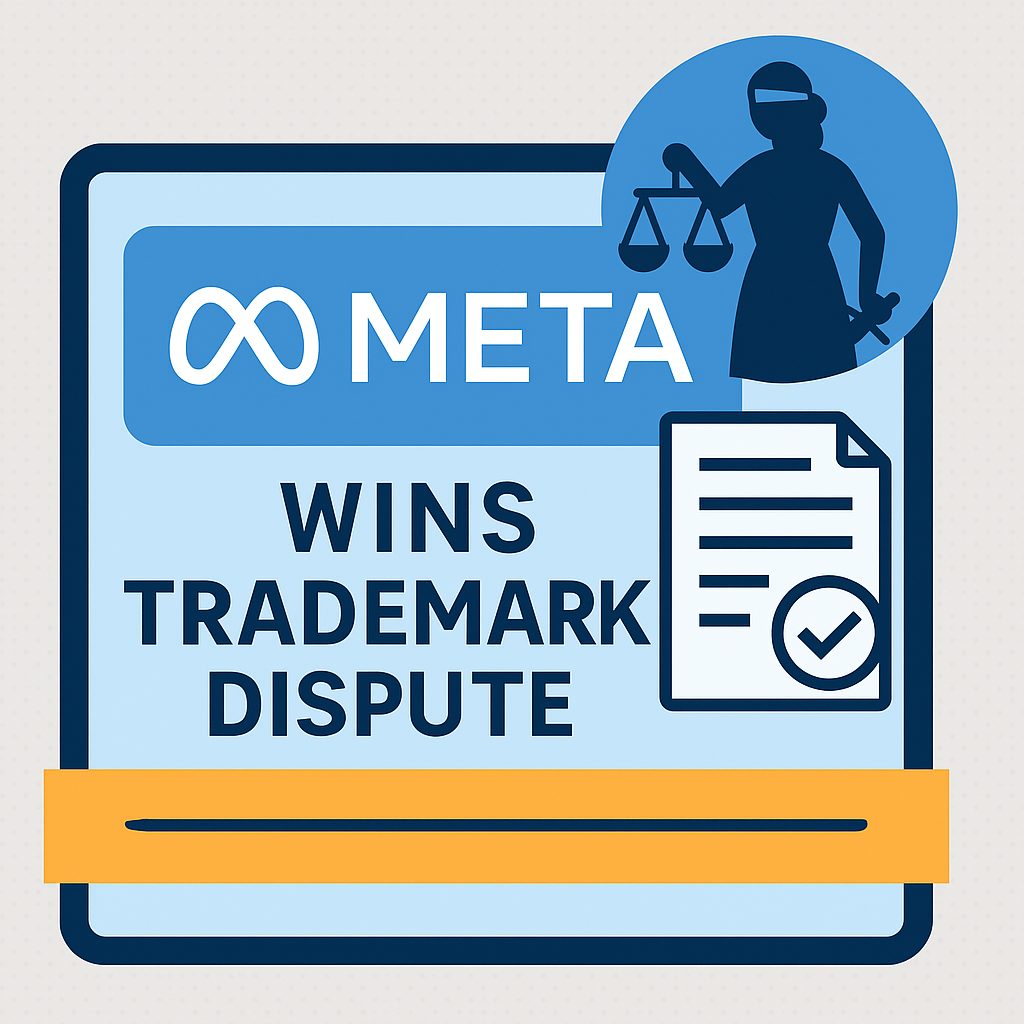
Trademark Lawyer Nathan Moore Discusses Meta's Trademark Win

Meta Beats Claim That ‘Meta’ Is Generic: Lessons for Small Brand Owners

Meta Platforms scored a legal win this week. A California judge dismissed a challenge claiming that the name “Meta” was generic, reaffirming its trademark strength. The result reminds brand owners—and underdogs—that even bold, simple names can stand firm with the right foundation.

Case Summary: Meta vs. Metabyte

  • A tech-staffing company named Metabyte accused Meta of infringing its mark due to name similarity. The court found no evidence of confusion or harm and upheld Meta’s registration.
  • The judge called it “not a close call,” citing lack of proof that consumers or job seekers linked the two brands. Small-brand founder Metabyte is considering an appeal.
  • See the court order dismissing the lawsuit here.

Why It Matters to Your Brand

  • Even short, familiar names can survive a trademark challenge if you’ve built strong recognition.
  • Proof of consumer confusion matters more than similarity—counter your critics with data, not defensiveness.
  • Registration gives brands powerful legal standing—even global giants and small startups benefit alike.

Key Takeaways for Trademark Strategy

  1. Collect brand recognition metrics: social engagement, search volume, and unique brand signals help prove distinctiveness.
  2. Document how your name stands apart—logo, brand voice, presentation style.
  3. Register early, even for simple or single-word names—many runners delay, thinking “it’s too generic,” only to find it’s not.
  4. Keep an eye on others trying to ride on your name. Proactive monitoring beats reactive defense.

Meta Platforms Prevails in Trademark Dispute_ A Win for Brand Owners - visual selection - Nathan Moore Trademark Lawyer

Quick‑Take Q&A

Why was the case thrown out so decisively?
Because Metabyte failed to show that anyone—customers or employees—actually confused its brand with Meta. Courts need real-world confusion evidence, not assumptions.

Does this mean small businesses can safely choose common names?
Not always. Names need context. “Meta” carries distinct meaning already. Check for similar businesses and themes before filing.

What’s more important: the word itself or how you use it?
How you use it. Names gain protection from brand behavior, marketing consistency, and consumer recognition—not uniqueness in the dictionary.

Bottom Line

Meta’s ruling sends a powerful message: even seemingly “basic” names can earn trademark strength if they’re used smartly. Build your name with intention—document your distinctiveness, register early, and monitor your space.


Nathan Moore is a trademark attorney located in Nashville. Moore Law PC helps individuals and businesses successfully apply for and register trademarks nationwide.

Read More
Who's the Boss? Trademark usage v. local meaning comes to a head.

Hugo Boss vs. Boss Pets: A Trademark Crisis for the Littlest “Boss”

When a global fashion giant meets local pet brand, trademark drama unfolds. Hugo Boss has ordered Liverpool-based Boss Pets to take down its website, claiming trademark infringement. Here’s what every business should learn from this clash over the word “Boss.”

What’s Behind the Lawsuit?

  • Hugo Boss has alleged that Boss Pets’ use of “Boss” infringes its well-known brand—even though “boss” means “great” in local slang.
  • Boss Pets is being asked to shut down its website within 10 days—or face legal consequences.

Why This Matters to You

  • Even everyday words can become protected marks—especially when paired with global brand power.
  • Descriptive or local usage doesn’t always shield you. Context—and fame—makes a difference.
  • You may be targeted even if your business is small and unrelated—brand protection knows no sector boundaries.

Smart Naming: How to Proceed with Caution

  1. Check whether general terms might already be registered in your industry.
  2. Think creatively—use arbitrary or coined terms that aren’t in everyday language.
  3. Run a clearance search before investing in branding or domain names.
  4. If using shared language, pair it with distinctive design or secondary wording.
  5. Monitor brand disputes—even in different sectors—to anticipate legal risks.

Quick‑Take Q&A

Why did Hugo Boss go after “Boss Pets” if “boss” is a common word?

Because trademark rights can extend to terms that have gained strong brand identity. Hugo Boss can argue that “Boss” is associated with their brand even in new contexts.

Does slang or local meaning protect small businesses?

No. Trademark law looks at public perception, not local usage meaning. Even if “boss” means “great” locally, the brand impact may override.

How can I avoid a similar conflict?

Start with a clearance search. Then build a unique brand—don’t rely on general words, even if they seem harmless.

Can Boss Pets keep operating under a new name?

Possibly. Rebranding quickly to a distinct name and design may help avoid legal troubles and signal goodwill.

Bottom Line

Trademarks aren’t just legal tools—they’re brand weapons. Even words you think are safe can spark lawsuits when paired with global fame. Stay vigilant, clear in your naming, and proactive in search.


Nathan Moore is a trademark attorney located in Nashville. Moore Law PC helps individuals and businesses successfully apply for and register trademarks nationwide.

Read More
's New Trademark Filings_ A Deep Dive into Naming Strategy - visual selection

Ford’s Latest Trademark Moves: What “Fathom,” “Fuze,” “Hive,” and “Mythic” Mean for Your Brand Strategy

Ford files trademarks: Fathom, Fuze, Hive, Mythic — Moore Law PC

Ford is on the move. In August 2025, the automaker filed trademark applications for four new names—”Fathom,” “Fuze,” “Hive,” and “Mythic.” It’s a reminder that even established brands need naming strategies that reflect innovation and legal strength.

What’s Happening

  • Ford filed for “Fathom,” “Fuze,” “Hive,” and “Mythic” in several key markets, including the U.S., UK, EU, Canada, Australia, and New Zealand.
  • The filings suggest upcoming product lines—perhaps EV models, software systems, or new services—though Ford has not confirmed.

Brand Strategy Insights

  • Distinctiveness Is Key: Names like “Fathom” (depth), “Hive” (community), and “Mythic” (legendary) hint at experiences—subtle and evocative, not literal.
  • Global Protection Matters: Filing across jurisdictions reduces risk of name conflicts and secures consistency as products scale globally.
  • Pre-emptive Moves: Even before launch, securing these trademarks prevents others from filing similar marks in related industries.

Best Practices: Naming + Trademarking

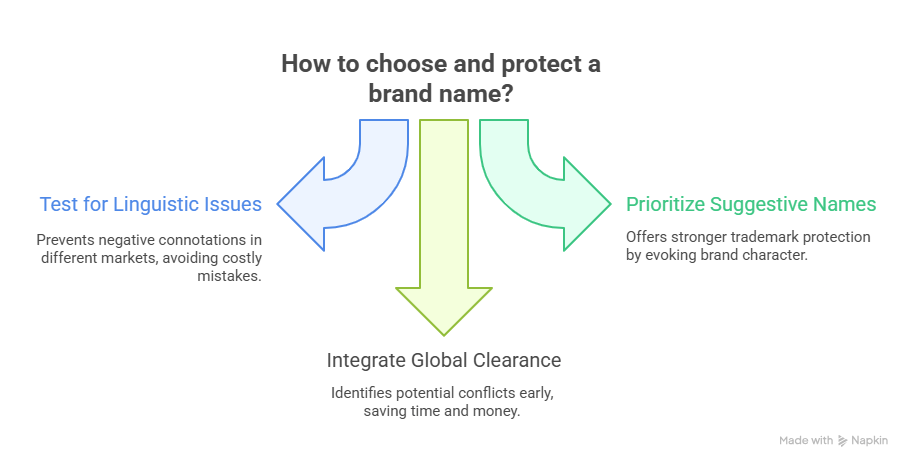
  1. Test potential names for linguistic issues—words that work in one market may mean something unexpected elsewhere.
  2. Prioritize suggestive or arbitrary names that spark curiosity rather than merely describe the product.
  3. Integrate global clearance into your naming workflow to catch conflicts early.

Quick-Take Q&A

  • Why is Ford filing multiple trademarks at once?

    Ford appears to be securing brand names ahead of a move—whether for new models, services, or consumer-facing offerings—in key markets.

  • What makes a strong trademark name?

    Names that evoke brand character (suggestive) or unrelated dictionary words (arbitrary/fanciful) generally offer stronger protection than merely descriptive names.

  • Do you need to file in every country?

    Not necessarily. Securing protection in key markets where you plan to sell—or where users associate your brand—can prevent conflicts and bad-faith filings.


Bottom Line

Ford’s filings show how proactive naming and trademarking—especially on a global scale—can lay the groundwork for confident expansion and brand storytelling.


Nathan Moore is a trademark attorney located in Nashville. Moore Law PC helps individuals and businesses successfully apply for and register trademarks nationwide.

Read More
rademark-Pitfalls-to-Avoid_-Dont-Let-Simple-Errors-Trip-You-Up

Trademark Pitfalls to Avoid: Don’t Let Simple Errors Trip You Up

Even small mistakes in your trademark application can derail it entirely. Simplicity may feel safe, but simple errors—like misidentifying your goods, skipping clearance searches, or misusing symbols—can cost you both time and money.

Common Trademark Filing Mistakes and Their Solutions

  • Wrong owner information – Listing the wrong entity or individual can be fatal. Double-check precise legal names.
  • Incorrect goods or services description – Don’t say “labels” when your mark appears on wine. Describe the actual item or service.
  • Skipping a clearance search – Up to half of USPTO refusals stem from existing marks.™ Start with a full search.
  • Misusing ™ and ® symbols – ® is only for federally registered marks. Misuse can invite scrutiny—or penalties.
  • Neglecting maintenance – Missing Section 8 or 9 deadlines can cancel your mark. Stay on top of renewal notices.

Practical Steps for Error‑Free Filing

  1. Review your client’s entity details—make sure the owner listed matches their legal status.
  2. Describe goods and services clearly and specifically; match how they’re actually used or provided.
  3. Invest in a comprehensive clearance search before filing—better safe than re-filing later.
  4. Use ™ while pending and switch to ® only after registration is issued.
  5. Track deadlines for maintenance: Section 8 at 5‑6 years; Section 9 at 9‑10 years. Set reminders now.

Trademark FAQ

What happens if I list the wrong owner on my application?

The USPTO may refuse or later cancel the application. The best fix is to file a new, accurate application under the correct owner.

Can I describe my goods in broad terms like “labels” or “boxes”?

No. Your identification must describe the actual goods or services. For example, if your mark is used on wine, list the wine—not its packaging.

When should I use TM vs. (R)?

Use TM while your application is pending. After the federal registration issues, you may use the (R) symbol.

How do I avoid missing maintenance deadlines?

Calendar Section 8 (years 5–6) and Section 9 (years 9–10) deadlines and set multiple reminders well in advance.


Final Word

A trademark’s strength starts with accuracy. Clear ownership, precise descriptions, correct symbols, and vigilant maintenance keep your mark strong and enforceable.


Nathan Moore is a trademark attorney located in Nashville. Moore Law PC helps individuals and businesses successfully apply for and register trademarks nationwide.

Read More
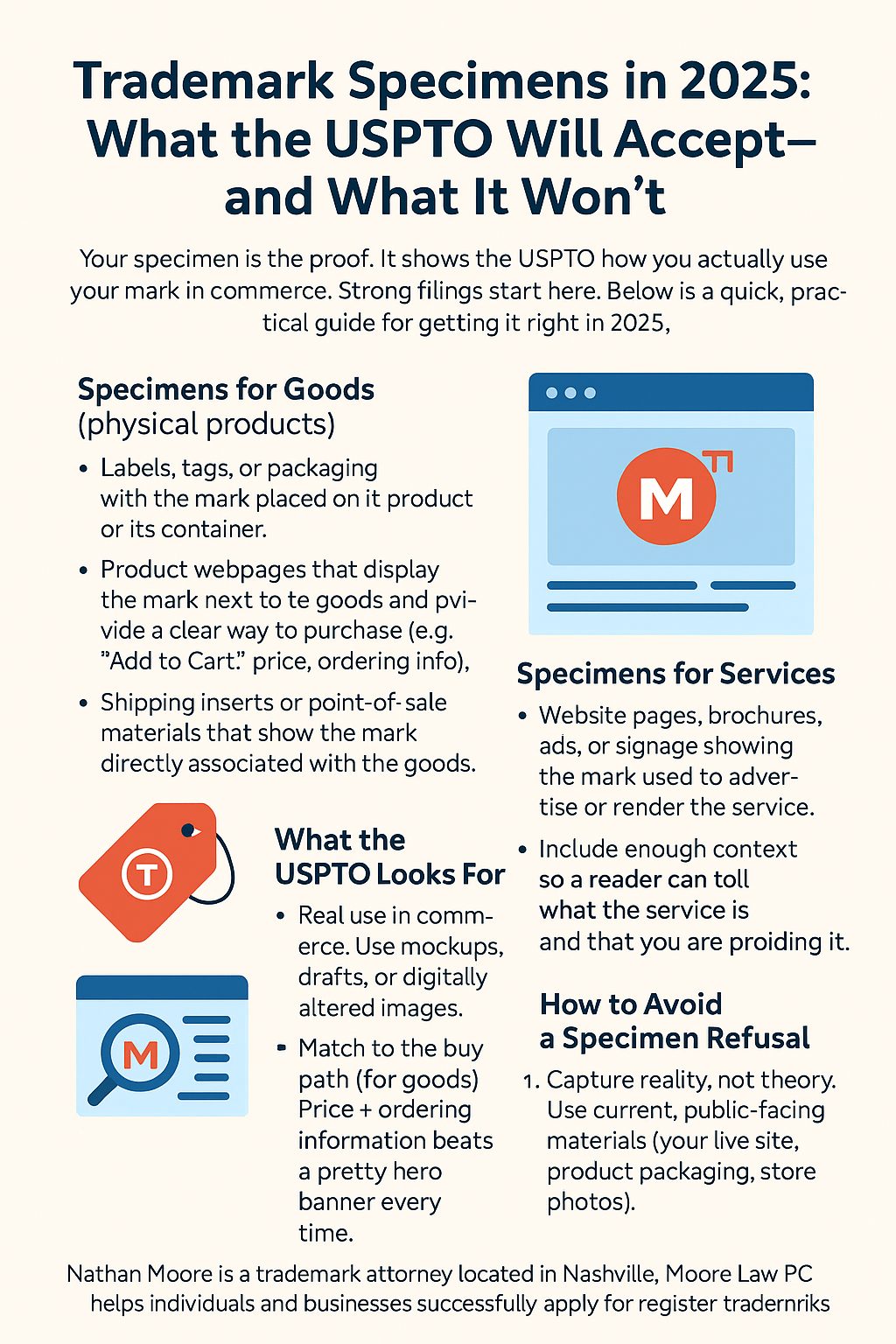
Trademark Specimens in 2025: What the USPTO Will Accept - Nathan Moore, Trademark Attorney - Moore Trademarks

Trademark Specimens in 2025: What the USPTO Will Accept—and What It Won’t

Your specimen is the proof. It shows the USPTO how you actually use your mark in commerce. Strong filings start here. Below is a quick, practical guide for getting it right in 2025.

Specimens for Goods (physical products)

  • Labels, tags, or packaging with the mark placed on the product or its container.
  • Product webpages that display the mark next to the goods and provide a clear way to purchase (e.g., “Add to Cart,” price, ordering info).
  • Shipping inserts or point‑of‑sale materials that show the mark directly associated with the goods.

Specimens for Services

  • Website pages, brochures, ads, or signage showing the mark used to advertise or render the service.
  • Include enough context so a reader can tell what the service is and that you are providing it.

What the USPTO Looks For

  • Real use in commerce. No mockups, drafts, or digitally altered images.
  • Match to the drawing. The specimen must show the same mark you applied for.
  • Direct association. The mark must clearly connect to the listed goods/services.

How to Avoid a Specimen Refusal

  1. Capture reality, not theory. Use current, public‑facing materials (your live site, product packaging, store photos).
  2. Show the buy path (for goods). Price + ordering information beats a pretty hero banner every time.
  3. Describe the service (for services). A landing page that only shows a logo often fails; add plain‑English copy about what you do.
  4. File clean. Make sure owner name, classes, and the specimen all tell the same story.

News Snapshot (This Year)

Color marks face a high bar. In April 2025, the Federal Circuit affirmed refusal of a single‑color mark for medical gloves, underscoring that color can function as a mark only when consumers see it as a source indicator—not mere decoration. The takeaway: if you’re betting on color alone, be ready with strong evidence of distinctiveness.


Bottom Line

Specimens win or lose applications. Use real‑world materials that tie the mark to your product or service, match the drawing, and make the connection obvious. Do that, and you avoid most refusals before they start.


Nathan Moore is a trademark attorney located in Nashville. Moore Law PC helps individuals and businesses successfully apply for and register trademarks nationwide.

Read More
Vintage-style illustration of a whimsical Labubu character waving, with a rainbow, smiling flower, and playful clouds, accompanied by the headline “When IP Law Meets Pop Culture: The Labubu Craze Taking Over 2025.”

When IP Law Meets Pop Culture: The Labubu Craze Taking Over 2025

If you’ve scrolled Instagram, TikTok, or even the front row of Fashion Week lately, you’ve probably seen it—
A pointy-eared, wide-grinned little creature dangling from a luxury handbag.

Meet Labubu—the summer’s hottest collectible from Pop Mart, and now a case study in how intellectual property can fuel (and protect) a global trend.


🚀 From Indie Art to Global Status Symbol

Labubu was born in 2015 from the imagination of Hong Kong illustrator Kasing Lung.
Pop Mart picked it up in 2019, selling it in blind boxes—so you never know which figure you’ll get.

That simple scarcity model? It’s turned a $12 toy into a six-figure collectible.

  • A mint-green Labubu sold in Beijing for ¥1 million (~$140,000).

  • One $85 version resold on eBay for $10,500.


🌟 The Celebrity Effect

Things exploded when BLACKPINK’s Lisa posted a Labubu keychain in 2024. Soon, Rihanna, Dua Lipa, Lady Gaga, and Kim Kardashian were spotted with theirs.
Lady Gaga even matched hers to her Hermès bag.


⚖️ IP Law in Action (and Under Pressure)

With the hype came trouble: counterfeit “Lafufu” toys and knockoffs flooded the market.
Pop Mart fought back with:

  • Trademark filings in multiple countries

  • Customs seizures at ports

  • QR-code authentication on packaging

  • Even blockchain traceability for rare items

Still, “dupes” are socially acceptable for some buyers, raising big questions about brand control.


💡 Takeaway for Business & Legal Leaders

Labubu isn’t just a pop culture phenomenon—it’s a real-world case study in:

  • How scarcity and storytelling create market demand

  • Why IP enforcement has to evolve as fast as consumer trends

  • How one quirky design turned its creator into a billionaire’s brand

In a world where trends can go global in days, protecting your IP isn’t optional—it’s survival.


💬 Question for you:
If a counterfeit version of your product became as famous as the real thing, would you see it as free marketing—or a threat to your brand?

Read More
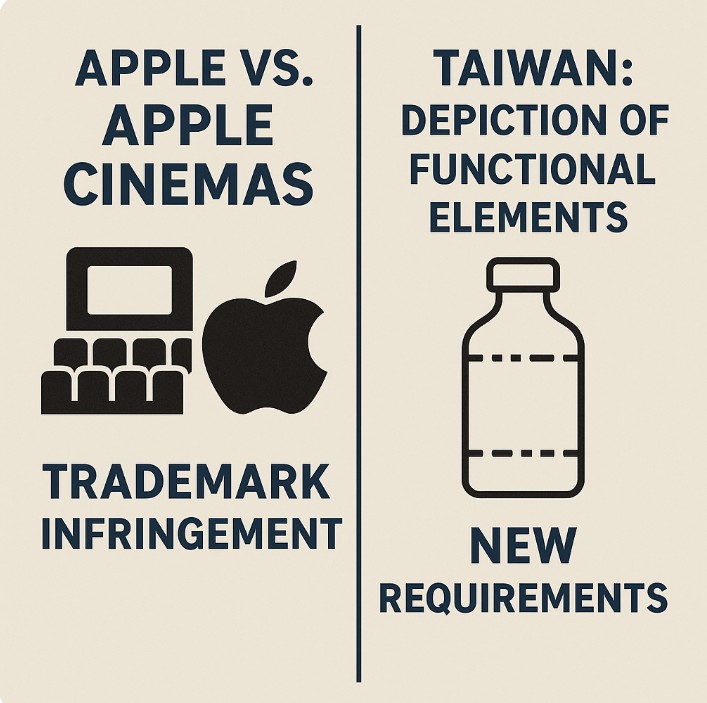
Infographic by Moore Law PC Nashville trademark attorney: Apple sues “Apple Cinemas” for trademark infringement and Taiwan updates non-traditional trademark depiction rules.

Trademark in the Headlines: Apple vs. Apple Cinemas & Taiwan’s Non-Traditional Mark Update

Trademark law is in motion. This week brings a pair of headlines with big implications: Apple’s lawsuit against a theater chain, and Taiwan’s revamped rules for how functional elements must appear in trademarks. Here’s what every brand owner should know.

1. Apple Sues Apple Cinemas for Trademark Infringement

  • Apple has filed suit against “Apple Cinemas,” a theater chain based in Massachusetts, citing trademark infringement and brand confusion—especially as the chain expands into Silicon Valley.
  • The tech company asserts that Apple Cinemas’ use of the name deliberately edges on its well-known brand—despite cease-and-desist efforts and a prior USPTO refusal.
  • Apple is seeking both an injunction and damages, aiming to halt further use.

2. Taiwan Updates How Functional Elements Are Depicted in Non-Traditional Trademarks

  • As of August 1, 2025, Taiwan requires functional elements in non-traditional trademarks—such as container hooks or grips—to be shown using broken lines. If that’s not possible, applicants must clearly state that these features are not part of the mark.
  • For intangible elements like sound or scent, a disclaimer is now mandatory to clarify they are separate from the mark itself.
  • This change ensures clarity in examination and reduces disputes over functional design elements in trademarks.

Why You Should Care

  • If your brand name overlaps with a well-known mark—even in a different industry—you may face legal challenges. Stand out, or risk standing down.
  • Geographic expansion means greater exposure—and greater risk. Make sure your mark is truly distinct and defensible before crossing into new markets.
  • For non-traditional marks (like packaging or product design), presentation matters. Consider how your application depicts functional components—visual precision and accurate disclaimers can make or break approval.

Quick Action Plan

  1. Review your marks in expansion markets—make sure they’re not infringing on established brands.
  2. Audit your non-traditional mark filings for clarity—update imagery and descriptions as needed.
  3. Stay informed on global registration trends—rules change, especially with evolving design and branding norms.

In summary: Apple’s courtroom move and Taiwan’s guideline overhaul highlight two truths: you must protect your mark—and show it right.


Nathan Moore is a trademark attorney located in Nashville. Moore Law PC helps individuals and businesses successfully apply for and register trademarks nationwide.

Read More
Apple Wins Trademark Suit Against USPTO

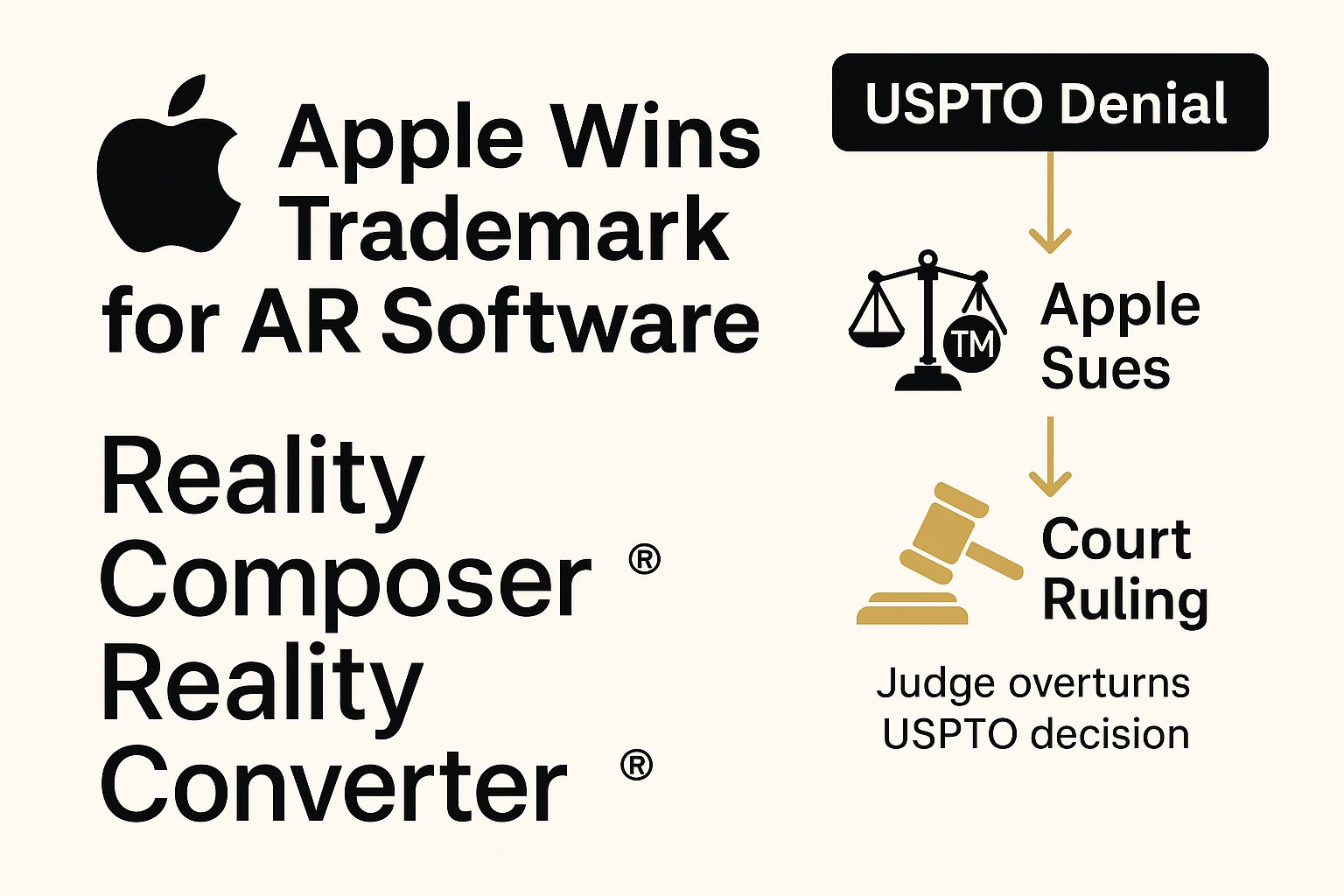
Apple Wins Court Ruling—‘Reality Composer’ & ‘Reality Converter’ Trademarked

In a major win for Apple, a federal judge has ordered the USPTO to grant federal trademarks for its augmented reality development tools—“Reality Composer” and “Reality Converter.” The decision may reshape how tech companies establish brand distinctiveness in emerging software categories.

🧑‍⚖️ The Legal Backdrop

  • Apple initially applied to register the marks in 2023. The USPTO tribunal sided with Turkish visual‑effects firm Zero Density, finding them too descriptive.:
  • Zero Density argued that “Reality” was generic and Apple’s trademarks would confuse with its own marks like “Reality Engine.”:

⚖️ What Changed in Court

  • In August 2025, Judge Leonie Brinkema reversed the USPTO decision, granting Apple’s marks after determining they were “suggestive” and had gained secondary meaning. Apple had successfully framed them as creative coined terms rather than merely functional descriptions.
  • Judge Brinkema explained: “Although the term ‘Reality’ is likely descriptive … the term stretches beyond its descriptive meaning when combined with ‘composer’ and ‘converter.’”

📌 Why This Matters

  • It sets a precedent for tech marks that may appear descriptive—but gain distinctiveness through usage and creative combination.
  • It may embolden tech companies developing AR, AI, or VR tools to pursue more aggressive branding strategies.
  • Zero Density’s own defense benefits: the decision may lend weight in other pending “Reality”-related disputes.

💡 Best Practice Takeaways

  1. Choose names that combine descriptive terms with a creative twist to support a strong argument for suggestiveness.
  2. Build consumer recognition early to support secondary meaning—use consistent branding across platforms, media, and marketing.
  3. Prepared to litigate? Position your application to highlight creativity, not just functionality.

Bottom line: This outcome marks a turning point in how AR and digital tools can achieve trademark protection. Apple’s win illustrates that even potentially descriptive phrases can succeed if presented strategically.

Need support?

Moore Law PC can help evaluate your trademark strategy, assess mark strength, or guide you through arguments focused on suggestiveness and secondary meaning.


Nathan Moore is a trademark attorney located in Nashville. Moore Law PC helps individuals and businesses successfully apply for and register trademarks nationwide.

Read More
licensing intellectual property

How Do I License Intellectual Property to Others?

Licensing intellectual property (IP) can be a powerful way to generate revenue, expand brand reach, or collaborate with other businesses. Whether it’s a patent, trademark, or copyrighted material, licensing allows you to retain ownership of your IP while granting others permission to use it under specific conditions. By understanding the different types of licenses and knowing how to structure licensing agreements, you can make the most of your intellectual property while protecting your rights.

1. What Does it Mean to License Intellectual Property?

Licensing intellectual property is the process of granting another party permission to use your IP rights under agreed terms. As the IP owner (licensor), you maintain ownership, while the licensee gains specific usage rights, which can include manufacturing, distribution, branding, or reproduction of the IP.

Licensing can apply to various types of intellectual property:

  • Patents: Licensees may pay to manufacture or sell a patented invention.
  • Trademarks: Brands may license trademarks, allowing others to use logos or brand names for specific products or services.
  • Copyrights: Authors, musicians, and software developers can license their work for use in various media, including print, film, or digital platforms.

2. Types of IP Licenses

The type of license you choose depends on the level of control and exclusivity you want to grant the licensee. Common types of IP licenses include:

  • Exclusive License: Grants the licensee sole rights to use the IP within a specific territory or field, even excluding the licensor. This type of license is usually more expensive, as the licensee is guaranteed they’ll be the only one with rights to the IP in that context.
  • Non-Exclusive License: Allows the licensor to license the IP to multiple parties simultaneously. Non-exclusive licenses are common in software, media, and technology, where multiple users may benefit from the same IP.
  • Sublicensable License: Permits the licensee to sublicense the IP to other third parties. This arrangement is common in franchising, where franchisees may sublicense IP, like brand trademarks, to their individual locations.
  • Field-of-Use License: Restricts the licensee’s usage of the IP to a specific field or industry. For example, a patent holder might license their technology for use in the automotive industry but restrict usage in the medical field.
  • Territorial License: Limits the licensee’s rights to a specific geographic area. This license can help licensors maintain control over where their IP is used or marketed.

3. Benefits of Licensing Your IP

Licensing your intellectual property offers several potential benefits:

  • Revenue Generation: Licensing fees or royalties provide ongoing income without the need for extensive additional work. The licensor can monetize their IP while allowing the licensee to use it for profit.
  • Market Expansion: Licensing can help your brand, product, or technology reach new markets without the costs associated with direct expansion. For example, licensing a trademark to a manufacturer in another country allows for broader distribution.
  • Brand Recognition: Trademark licensing can increase brand visibility and consumer recognition, especially when licensees operate in different regions or industries.
  • Reduced Liability and Maintenance Costs: Licensing lets you share production and distribution responsibilities with the licensee, which reduces operational burdens and limits exposure to liabilities related to manufacturing or marketing.

4. Creating a Licensing Agreement

A licensing agreement is a legal contract that defines the terms and conditions under which the licensee can use the IP. A well-structured agreement protects your interests and provides a clear framework for the licensee’s rights and obligations. Key elements of a licensing agreement include:

  • Scope of the License: Clearly define what rights you are granting. This section should specify the type of license (e.g., exclusive, non-exclusive), the allowed uses, and any restrictions on use.
  • Duration: Set the period during which the license is valid. Licensing agreements can be temporary, renewable, or ongoing. Having a set end date gives you flexibility to renegotiate terms or find new licensing partners.
  • Territory: Specify where the licensee is permitted to use the IP. Geographic limitations can protect your interests in certain regions or allow you to license the IP to different parties in various locations.
  • Royalty Structure and Payment Terms: Outline how you’ll be compensated for the license. Licensing fees may be structured as a lump-sum payment, recurring royalty based on sales, or percentage of revenue generated from the IP. Be clear on payment terms and any minimum royalty guarantees.
  • Quality Control and Compliance: If licensing a trademark, for example, you may require certain quality standards to ensure your brand reputation is maintained. Quality control provisions help protect the brand’s image and ensure the licensee’s products or services align with your standards.
  • Termination Clauses: Define conditions under which either party can terminate the agreement, such as breach of contract, failure to meet sales targets, or bankruptcy. Including termination provisions ensures you retain control over the IP if issues arise.
  • Sublicensing and Transfer Rights: If you allow the licensee to sublicense or transfer their rights, this should be explicitly stated. Otherwise, their rights should be restricted to prevent unauthorized sublicensing.

5. How to License Your IP Step-by-Step

Licensing intellectual property can be complex, but following a step-by-step approach can help streamline the process:

Step 1: Assess the Value and Potential Market for Your IP

Understand the potential revenue and benefits your IP could generate for licensees, and identify target industries or companies that may benefit from licensing it.

Step 2: Decide on the Type of License

Determine the level of exclusivity, territory, and duration that make sense for your business. Consider whether you’re open to sublicensing or limiting the use to a particular field.

Step 3: Identify Potential Licensees

Look for companies, individuals, or organizations that align with your goals and can maximize the value of your IP. Research prospective licensees’ reputations, industry experience, and business models to ensure a good fit.

Step 4: Negotiate Terms

Negotiate key terms, such as royalties, duration, territory, and exclusivity. Be prepared to discuss payment structures, quality standards, and compliance requirements. Working with a legal professional during negotiations can help protect your interests.

Step 5: Draft and Finalize the Licensing Agreement

Once terms are agreed upon, draft a comprehensive licensing agreement. Ensure that both parties review and understand the document before signing. An attorney with IP experience can help draft a clear, enforceable agreement.

Step 6: Manage and Monitor the License

After the agreement is in place, maintain communication with the licensee to ensure compliance with the terms, quality standards, and payment schedules. Regular monitoring helps identify issues early and ensures both parties benefit from the agreement.

6. Common Challenges in Licensing IP

While licensing can be profitable, challenges can arise. Here are a few common obstacles:

  • Ensuring Compliance with Terms: Monitoring the licensee’s use of your IP can be challenging, especially in cases where quality standards or usage restrictions are in place. Regular audits or checks can help.
  • Royalties and Payment Issues: Some licensees may fail to report accurate sales figures or delay payments. Clear reporting guidelines and audit rights in the agreement can help mitigate these issues.
  • Protecting IP Rights: If a licensee misuses or infringes upon your IP, enforcing your rights may require legal action. Including indemnification clauses in the agreement can help protect you from legal issues related to misuse.

Conclusion

Licensing intellectual property allows you to leverage your creations without giving up ownership, creating opportunities for revenue generation, market expansion, and brand growth. By selecting the right type of license, drafting a solid licensing agreement, and carefully managing the relationship, you can maximize the value of your IP while ensuring that your interests are protected.

Licensing IP is a legal process, so consulting with an intellectual property attorney can be valuable when drafting or negotiating a licensing agreement. With the right approach and careful planning, licensing can be a powerful tool for unlocking the potential of your intellectual property.

Read More